
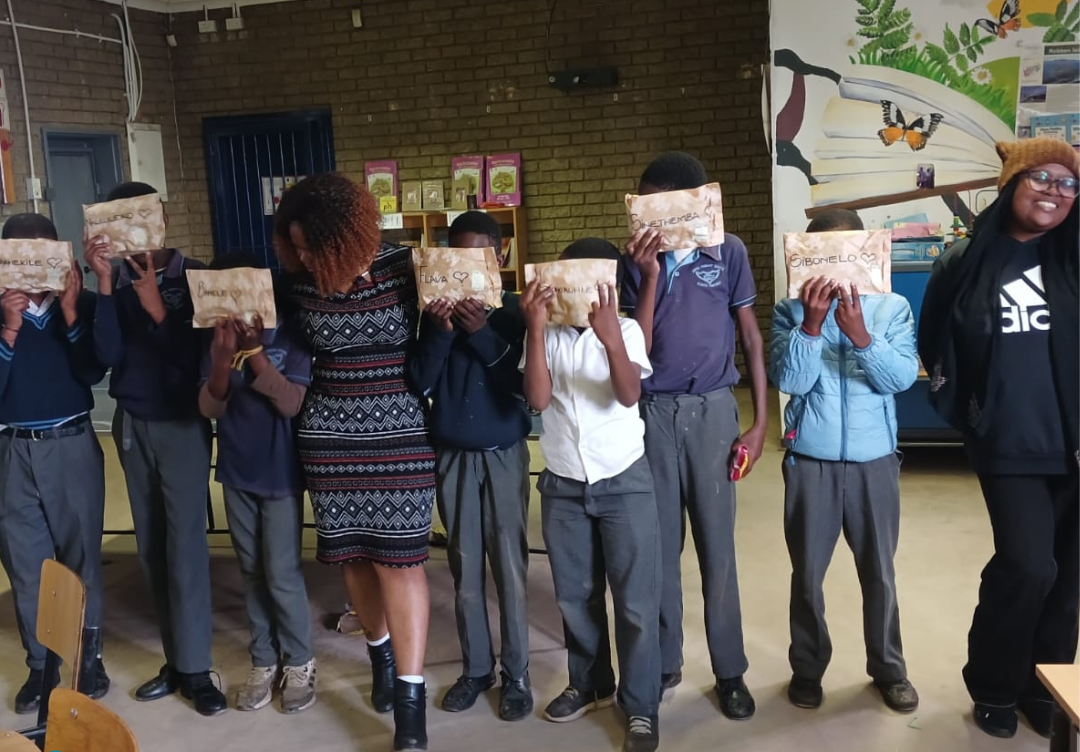
As we reflect on the powerful momentum building around the 16 Days of Activism Against Gender-Based Violence and Femicide (GBVF), it’s heartening to see communities coming together to drive change. Just recently, on November 25, 2025, our Diversion team from the Teddy Bear Foundation attended a impactful event at Orlando Community Hall in Soweto. The theme, “Letsema: Men, Women, Boys and Girls Working Together to End GBVF,” perfectly captured the spirit of collaboration. With esteemed guest speaker Angie Motshekga leading the discussions, and stakeholders like SAPS, the Department of Health, NICRO, CPF, DSD, and TBF in attendance, the day highlighted the need for inclusive efforts to combat GBV. Meanwhile, our Teddy Bear team has been actively engaging young boys at schools like Isipho Primary and Jeppestown Primary, sparking vital conversations about GBV.
These initiatives underscore a critical truth: to truly eradicate GBV, we must bring boys into the dialogue early and meaningfully. The Crucial Role of Boys in Ending GBVGender-based violence thrives in environments where harmful stereotypes and norms go unchallenged. Boys, who grow into men, are often shaped by societal expectations that can perpetuate these issues: think rigid ideas of masculinity that equate strength with dominance or silence around emotional vulnerability. By involving boys in conversations about GBV, we can dismantle these norms before they take root. Research shows that engaging men and boys in violence prevention helps challenge behaviors that contribute to discrimination and abuse, fostering a culture of respect and equality.
This isn’t just about education; it’s about empowerment. When boys learn to recognize and reject toxic attitudes, they become active allies in creating safer communities. Consider the benefits: Boys can help foster safe environments at home, school, and beyond, promoting affirmative consent and healthy relationships. Programs that take a gender-transformative approach, encouraging boys to question power imbalances have proven effective in reducing violence.
Moreover, involving boys ensures a whole-of-community strategy, where everyone, regardless of gender, works as partners against GBV. Our Teddy Bear team’s school visits are a prime example: By talking to boys about GBV, we’re planting seeds of empathy and accountability that will grow into a generation of men committed to change. As the saying goes, “Boys become men” and guiding them now prevents cycles of violence later.
Understanding Diversion Programs: A Path to Rehabilitation
In the context of juvenile justice, particularly in South Africa, diversion programs offer a compassionate alternative to the traditional criminal justice system. At their core, these programs channel young offenders often children in conflict with the law away from formal court proceedings and into structured, reintegrative initiatives. The goal? To hold them accountable while addressing root causes like trauma, lack of education, or environmental influences, ultimately reducing recidivism and promoting healing. In South Africa, diversion is a cornerstone of the Child Justice Act, emphasizing rehabilitation over punishment for minors.
Programs might include life skills training, community service, counseling, or therapeutic interventions, tailored to the offense, such as those related to GBV or sexual abuse.
For instance, the Teddy Bear Foundation’s diversion efforts, like the Support Programme for Abuse Reactive Children (SPARC), focus on young sex offenders, combining cognitive-behavioral therapy with activities like boxing to build emotional regulation and prevent reoffending. These programs not only divert kids from incarceration but also protect them from the stigma and trauma of court, allowing them to reintegrate as productive community members. By attending events like the 16 Days of Activism gathering, our Diversion team collaborates with partners to amplify these efforts, ensuring young people get the support they need to break free from cycles of violence.
Dr. Shaheda Omar: Pioneering Diversion for Young Offenders
No discussion of diversion programs in South Africa would be complete without highlighting the groundbreaking contributions of Dr. Shaheda Omar, Clinical Director of the Teddy Bear Foundation. With a background in social work and mental health, Dr. Omar has dedicated her career to child protection, developing innovative approaches to address abuse and offending behaviors. Her influential thesis, “A Study of Child-on-Child Sexual Abuse of Children under 12 Years,” examined the dynamics of such cases and the effectiveness of diversion interventions. Through her research, she found that participants in the Teddy Bear Foundation’s diversion program showed zero recidivism in follow-up studies, underscoring the value of therapeutic redirection over punitive measures.
Building on this, Dr. Omar authored the Diversion Handbook, a comprehensive guide for working with young sex offenders, which has become a cornerstone resource for practitioners. She pioneered programs like SPARC and the forensic assessment initiative, blending evidence-based therapy with holistic support to minimize harm and promote recovery. Her work has not only shaped policy but also trained countless professionals, making her a leading voice in the fight against GBV and child abuse. Dr. Omar’s efforts remind us that diversion isn’t just about second chances, it’s about systemic change. By focusing on prevention and rehabilitation, her contributions align perfectly with events like the Orlando gathering, where collective action against GBVF takes center stage.
Moving Forward Together
As we wrap up the 16 Days of Activism, let’s carry the momentum forward. Involving boys in GBV discussions, leveraging diversion programs for youth rehabilitation, and drawing inspiration from leaders like Dr. Shaheda Omar are key to building a violence-free future. Whether through school talks, community events, or policy advocacy, every step counts. Join us at the Teddy Bear Foundation in this vital work because when boys become empowered men, society as a whole thrives. If you’re inspired to get involved, reach out and let’s collaborate!

