
Below are ten proven, community-led strategies, many successfully used in South Africa and elsewhere in Africa, that any village, or town can adapt today.
- Build Strong Social Norms Against All Forms of Violence
Run radio spots, church sermons, market theatre, and WhatsApp campaigns that openly say: “Beating a child is never discipline it is violence.” Challenge the dangerous belief that “what happens in the home stays in the home.” - Strengthen Parenting and Caregiver Support Programmes
Offer free parenting classes in neighbourhoods (the Sinovuyo Caring Families Programme and Parenting for Lifelong Health materials are open-source and already translated into French). Train community volunteers to facilitate weekly parent circles. - Create Safe Physical and Social Environments
Organise supervised play spaces, improve lighting around schools and markets, clear abandoned houses used by criminals, and restart neighbourhood watch groups with a specific child-protection mandate. - Provide Early Identification and Rapid Response Systems
Train teachers, catechists, imams, njangi leaders, and quarter chiefs to recognise signs of abuse and know exactly who to call. Create a simple, toll-free reporting line or trusted community “safe houses”. - Economic Strengthening for Vulnerable Families
Link struggling families to existing social grants, start village savings and loan groups (tontines/VSLAs), and run quick skills courses so parents are less desperate and children are less exposed to danger. - Engage Men and Boys as Active Allies
Hold regular “men’s forums” in bars, churches, and football fields to discuss what it means to be a protective father and reject violent masculinity. - Make Schools True Safe Havens
Adopt positive discipline policies, train teachers never to hit children, and set up anonymous “worry boxes” where pupils can report abuse at home or in the community. - Partner with Faith and Traditional Leaders
Pastors, priests, imams, and traditional rulers are often the most trusted voices. Equip them with simple sermons and talking points on child protection. - Empower Youth as Protectors
Help secondary-school students form Child Rights Clubs that monitor younger children and speak out when something is wrong. - Track Progress and Celebrate Success
Map the areas where most incidents happen, then publicly declare and celebrate the first “child-safe quartiers” when reports go down.
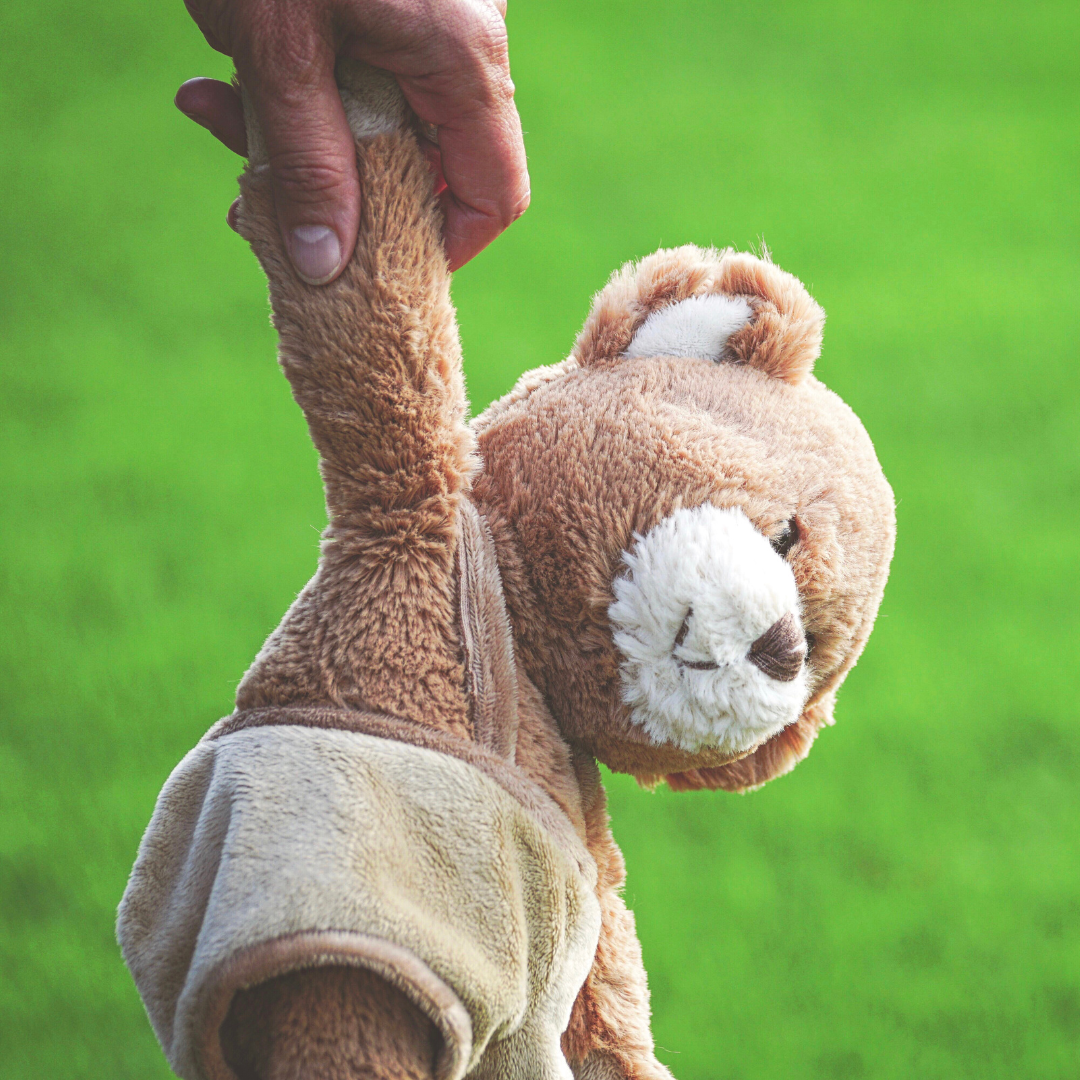
We, at The Teddy Bear Foundation (officially the Teddy Bear Clinic) have, for more than 35 years, shown exactly what is possible when a community refuses to look away. Founded in 1986 to support abused children, the Foundation today offers:
- Medico-legal examinations and trauma-focused therapy for child victims of sexual and physical abuse
- Court preparation and accompaniment so children are not re-traumatised when they testify
- Diversion programmes that turn young offenders away from crime through counselling instead of prison
- Training for teachers, social workers, police, and magistrates on child-friendly investigation and positive discipline
- Community prevention workshops that reach tens of thousands of parents and children every year
- The “Bear Hugs” outreach programme that teaches very young children body autonomy and how to tell a trusted adult if someone touches them wrongly.
Crucially, we not wait for children to be brought to us; we go into schools and impoverished neighbourhoods, building the very community systems listed above. Their model proves that one well-run organisation, rooted in its community, can dramatically reduce both the incidence and the impact of child abuse. Cameroonian civil society, churches, and neighbourhood associations can borrow directly from this model.
A “Cameroonian Teddy Bear Clinic” or a network of small, community-embedded child protection centres in Yaoundé, Douala, Bamenda, Buea, Garoua, and beyond would give children and families somewhere safe to turn long before a tragedy makes the headlines. Courtney’s case catalyzed change, much like the Cameroon tragedies could. It prompted the rollout of child death review panels nationwide, inspired by U.S. models, which have removed siblings from danger in hundreds of cases.

