By Dr Shaheda Omar, Director, Teddy Bear Foundation
Every year on 18 July, South Africans roll up their sleeves in honour of Nelson Mandela. Schools are painted, soup kitchens are supported, blankets are distributed, and communities come together to dedicate 67 minutes of service to commemorate the 67 years Madiba devoted to the fight for justice and human dignity.
These acts of kindness are important. They remind us that compassion still exists. But as we celebrate Mandela Day once again, we should ask ourselves an uncomfortable question:
If Nelson Mandela believed that children are the true measure of a nation’s soul, why do so many of our children remain unsafe for the other 364 days of the year?
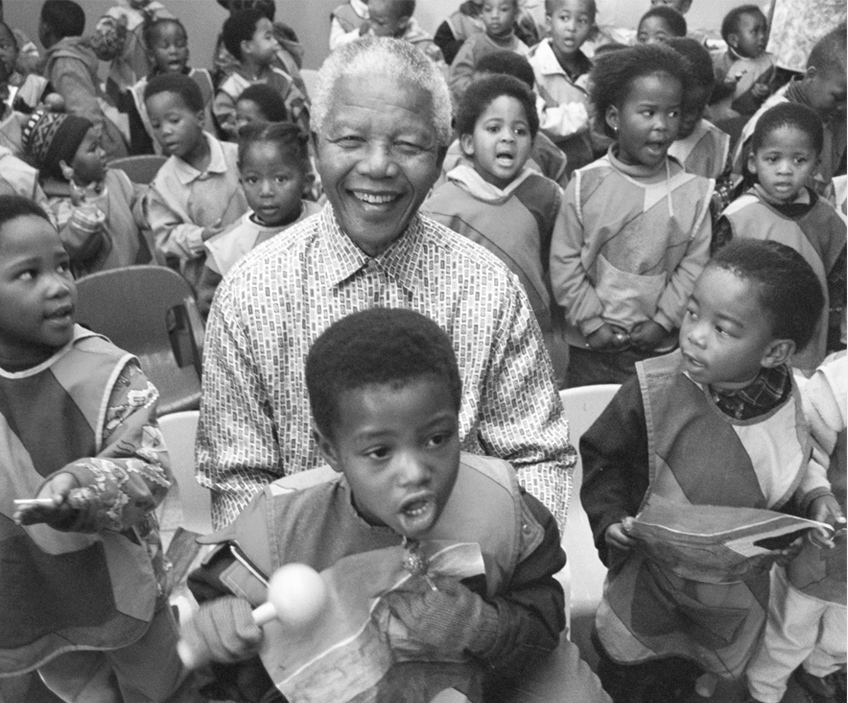
Madiba’s words have become one of the most quoted statements in child protection:
“There can be no keener revelation of a society’s soul than the way in which it treats its children.”
It is a quotation that appears in speeches, annual reports and social media posts every July. Yet the lived reality for thousands of South African children stands in painful contrast to the values Mandela championed.
Every day children experience physical abuse, sexual violence, neglect, online exploitation, trafficking and emotional harm. Many grow up surrounded by violence in their homes and communities. Others become victims in places that should offer safety—schools, sporting clubs, religious institutions and even within their own families.
As a child protection practitioner who has spent nearly four decades working with abused and traumatised children, I have seen the lifelong consequences of violence against children. Abuse does not simply leave physical injuries. It alters childhood itself. It affects learning, emotional development, mental health, relationships and future opportunities. Left untreated, trauma often becomes the silent driver of violence, substance abuse, crime and poor health in adulthood.
Protecting children, therefore, is not simply a welfare issue. It is one of the most important nation-building investments South Africa can make.
The challenge is not that South Africa lacks good laws. Our Constitution recognises that the best interests of the child are of paramount importance. The Children’s Act and Sexual Offences legislation provide comprehensive protections on paper.
The challenge lies in implementation.
Too many child protection organisations are struggling to survive financially while demand for services continues to increase. Social workers carry impossible caseloads. Police investigators dealing with crimes against children often lack specialised resources. Courts remain intimidating environments for young victims. Prevention programmes are frequently underfunded despite overwhelming evidence that early intervention saves lives and reduces future costs.
We continue to spend more responding to crises than preventing them.
Mandela understood that lasting social change required more than good intentions. It required sustained commitment, courageous leadership and investment in people.
That same principle applies to child protection.
Imagine if every school had access to evidence-based abuse prevention programmes. Imagine if every parent had access to parenting support before families reached breaking point. Imagine if every child victim could receive immediate counselling without waiting months for services. Imagine if every professional working with children had specialised training to recognise abuse early and respond appropriately.
These are not impossible ambitions. They are achievable priorities if children genuinely become a national priority.
Child protection cannot be outsourced solely to government departments or non-governmental organisations. Every adult has a role to play. Teachers, healthcare workers, police officers, faith leaders, coaches, employers, neighbours and extended families all form part of the safety net around children.
Protecting children begins by believing them when they disclose abuse. It means recognising signs of trauma rather than dismissing difficult behaviour as simple disobedience. It means reporting concerns instead of remaining silent. It means creating homes, schools and communities where children know they will be heard, respected and protected.
Mandela Day should therefore become more than a calendar event marked by symbolic acts of service.
It should become a national checkpoint—a moment when we ask whether our decisions, our budgets and our policies truly reflect the value we place on children.
As South Africa continues to confront gender-based violence, rising levels of child abuse, online exploitation and increasing mental health challenges among young people, there has never been a more urgent time to move beyond awareness towards sustained action.
Children cannot advocate for themselves in Cabinet meetings. They cannot vote in elections. They cannot negotiate budgets or demand better services. They depend entirely on adults to uphold their rights.
If we genuinely wish to honour Nelson Mandela’s legacy, then our commitment to children cannot last only 67 minutes.
It must shape every policy we adopt, every budget we approve, every community we build and every decision we make.
The greatest tribute we can pay Madiba is not another commemorative event.
It is creating a South Africa where every child grows up safe, valued and free to realise their full potential.
Only then will we truly reveal the soul of our nation.