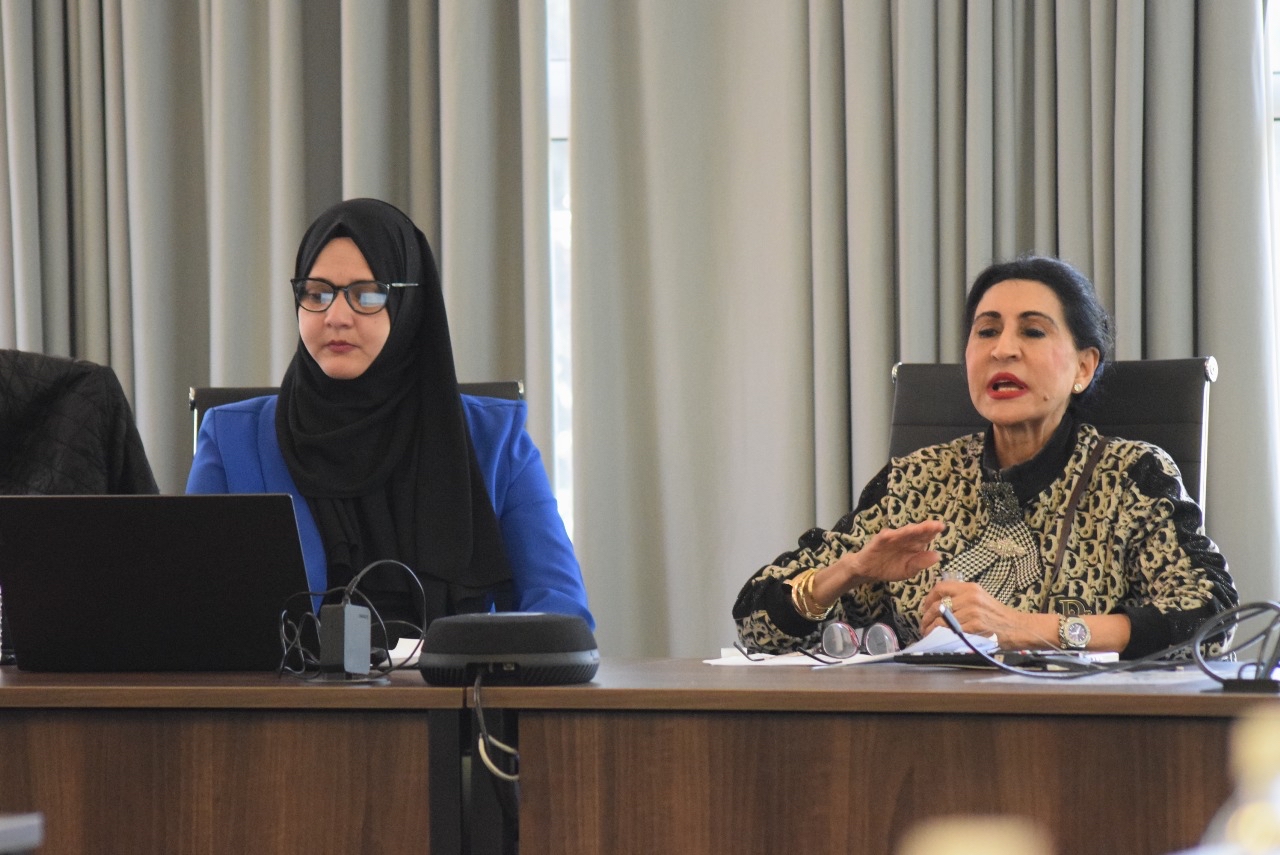
Her expertise brought invaluable insights, particularly to conversations around child safety. The day focused on three pressing fronts:
- Moving from policy to real protection against sexual violence in schools
We delved into how educational institutions can translate existing policies into actionable safeguards. Despite robust laws and frameworks in South Africa, implementation often falls short, leaving children vulnerable. Discussions highlighted the need for better training for educators, mandatory reporting mechanisms, and support systems for survivors. Dr. Shaheda Omar’s participation underscored the real-world impact: schools should be sanctuaries, not sites of trauma. Her work at the Teddy Bear Foundation has long advocated for swift, child-centered responses to abuse, emphasizing that delays or inaction perpetuate cycles of violence. - Procedural barriers for queer asylum seekers
We examined the challenges LGBTQ+ individuals face when seeking refuge in South Africa, including bureaucratic hurdles, discrimination in processing, and lack of sensitivity in asylum procedures. Proposals emerged on streamlining processes, training officials, and ensuring safe pathways to protection. - Progress in land reform
The sessions assessed advancements in restitution and protections for labour tenants, identifying gaps in implementation and strategies to accelerate equitable land access.
Each of these conversations reinforced a core truth: rights on paper mean little without robust systems to enforce them. Policies are essential starting points, but true justice requires commitment, resources, and accountability to turn promises into lived realities.
With the 2026 academic year just days away, the focus on sexual violence in schools is especially timely and critical. South African schools are meant to be places of learning and growth, yet too many children face threats of abuse, bullying, or exploitation within their walls. Statistics paint a sobering picture: thousands of sexual offenses against children are reported annually, with a significant portion occurring in or around educational settings. As millions of learners prepare to return, packing bags, donning uniforms, and reconnecting with friends, we must ensure their environments prioritize safety. This means:
- Strengthening protocols for preventing and responding to sexual violence.
- Training teachers and staff to recognize signs of abuse.
- Fostering cultures of openness where children feel empowered to speak up.
- Collaborating between government, NGOs like the Teddy Bear Foundation, and communities to close implementation gaps.
Dr. Shaheda Omar’s involvement in these PILG discussions reminds us of the expertise driving change. Her decades of work supporting abused children highlight that protection isn’t abstract it’s about healing trauma, breaking cycles, and building resilience. As parents, educators, and advocates gear up for 2026, let’s carry the momentum from today’s gatherings forward. By bridging the gap between policy and practice, we can create schools where every child thrives without fear. The new year offers a fresh opportunity to commit to this vital work.