By Dr Shaheda Omar
25 June 2026
The increasing concern about children’s exposure to harmful online content has prompted governments around the world to take decisive action. Countries such as Australia and the United Kingdom have introduced measures aimed at restricting access to social media and digital platforms for younger children. The intention is commendable: to protect children from cyberbullying, pornography, online predators, violent content, exploitation, and the adverse effects of excessive screen time.
As a child protection practitioner who has spent nearly four decades working with vulnerable children, I share the concerns about the dangers children face in the digital world. However, I am not convinced that restricting or banning children’s access to technology is the most effective long-term solution, particularly within the South African context.
The Reality of Technology in Children’s Lives
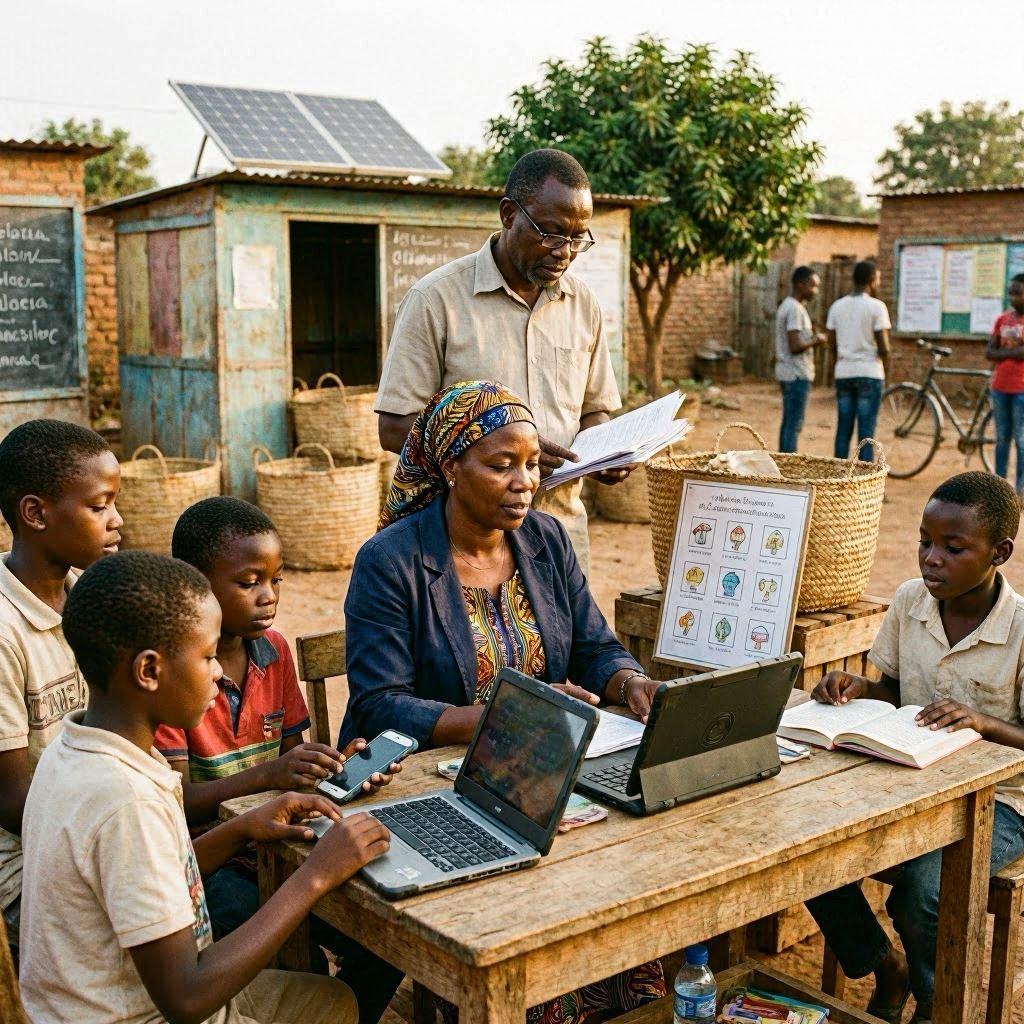
Technology is no longer a luxury. It is woven into the fabric of children’s education, social interaction, identity formation, and future employability. For many children, a cellphone is not merely a communication device; it is a learning tool, a source of information, and often their only access to educational opportunities.
Attempting to remove technology from children’s lives may create an unintended consequence: children simply become more creative and secretive in finding ways to access it.
Throughout my career, I have learned that children rarely stop engaging in behaviours simply because adults prohibit them. Instead, they often become more sophisticated in concealing those behaviours. We have seen this repeatedly with substance use, sexual activity, and other risk-taking behaviours. Technology is unlikely to be any different.
A ban may therefore create a false sense of security for adults while driving children’s online activity underground, where there is even less supervision and support.
The Challenge Is Not Technology; It Is Digital Vulnerability
The problem is not the device itself. The problem is the vulnerability that children bring into the digital space.
Children who lack critical thinking skills, emotional regulation, healthy boundaries, and supportive adult relationships remain vulnerable whether online or offline.
A child who is vulnerable to grooming in a chat room is often vulnerable because of unmet emotional needs, social isolation, trauma, or a lack of trusted adults in their lives. Removing the device does not address these underlying vulnerabilities.
Similarly, children exposed to pornography are not only encountering inappropriate content; they are often receiving distorted messages about relationships, consent, power, and sexuality. These are conversations that need to happen within families, schools, and communities regardless of whether a child has access to a cellphone.
South Africa Requires a Different Response
South Africa faces unique challenges that differ significantly from many developed countries.
We live in a society where children are exposed daily to violence, poverty, crime, substance abuse, and social instability. Technology does not create these problems; it often amplifies existing social risks.
Many South African children also grow up in communities where parents and caregivers themselves have limited digital literacy. As a result, adults often struggle to guide children through online risks because they do not fully understand the platforms children are using.
Our response should therefore focus less on prohibition and more on empowerment.
Building Digital Resilience Instead of Digital Fear
The goal should be to raise children who can navigate the online world safely and responsibly rather than children who are shielded from it until a certain age.
Digital resilience includes:
– Teaching children how to identify online grooming and manipulation.
– Helping them recognise misinformation and harmful content.
– Encouraging critical thinking and responsible decision-making.
– Teaching healthy online relationships and digital citizenship.
– Building self-esteem so they are less susceptible to peer pressure and online validation.
– Equipping them with strategies to seek help when something feels unsafe.
Just as we teach children road safety rather than banning them from crossing roads, we should teach digital safety rather than assuming complete restriction is possible.
Parents Need Support Too
One of the greatest gaps in child protection today is not children’s use of technology but adults’ understanding of it.
Many parents feel overwhelmed by the speed at which technology evolves. Some adopt a permissive approach because they do not know what to do. Others respond with rigid restrictions that often lead to conflict and secrecy.
Parents require practical guidance on:
– Setting age-appropriate boundaries.
– Monitoring online activity without violating trust.
– Understanding social media platforms.
– Having difficult conversations about pornography and online exploitation.
– Modelling healthy technology use themselves.
Children learn far more from what adults do than from what adults say.
A Shared Responsibility
Protecting children online cannot be the sole responsibility of parents. Schools, technology companies, government departments, child protection organisations, faith communities, and civil society all have a role to play.
We need:
– Stronger digital literacy programmes in schools.
– Child-friendly reporting mechanisms.
– Greater accountability from technology companies.
– Public awareness campaigns.
– Better support services for children affected by online harm.
– Ongoing research into the impact of technology on South African children.
Conclusion
The desire to protect children from online harm is both understandable and necessary. However, protection should not come at the expense of preparation.
Children are growing up in a digital world that cannot be switched off. While restrictions may form part of a broader safety strategy, bans alone are unlikely to equip children for the realities they will inevitably face.
As child protection practitioners, our task is not merely to keep children away from risk. Our task is to build children who are resilient enough to recognise risk, respond to it appropriately, and seek support when needed.
The future of child protection lies not in creating a generation of digitally excluded children, but in nurturing a generation of digitally empowered, informed, and resilient young citizens who can engage with technology safely and responsibly.
In the South African context, empowerment rather than prohibition may ultimately prove to be the more sustainable path to protecting children.
* Dr Shaheda Omar is the Director of Teddy Bear Foundation, www.teddybearfoundation.org.za