By Dr Shaheda Omar, The Post, 4 July 2026
For nearly four decades as a child protection practitioner at the Teddy Bear Foundation for Abused Children, I have witnessed the devastating consequences of child abuse in its many forms. While the overwhelming majority of mothers are loving, protective caregivers who sacrifice enormously for their children, there exists a deeply uncomfortable reality that society is often reluctant to acknowledge: a small number of mothers become perpetrators of sexual abuse or facilitate the sexual exploitation of their own children.
Although these cases are relatively infrequent in comparison to other forms of child abuse, they present profound challenges for child protection practitioners, law enforcement, the justice system, and society as a whole.
The rarity of these cases should not lead us to underestimate their significance. It is equally possible that they remain underreported because children have little agency to disclose abuse perpetrated by a primary caregiver, and because professionals and communities struggle to recognise women as sexual offenders. Deeply embedded social beliefs portray mothers as natural protectors and nurturers, making it difficult to imagine them as perpetrators of sexual violence. This creates a dangerous blind spot within child protection systems.
Children depend on their mothers not only for their physical needs but also for emotional security and protection. When the person expected to provide safety instead becomes the source of harm, the betrayal is profound. The abuse extends beyond the sexual violation itself; it destroys the child’s understanding of trust, attachment, love and protection. Many survivors describe the emotional betrayal as being as traumatic as the abuse itself.
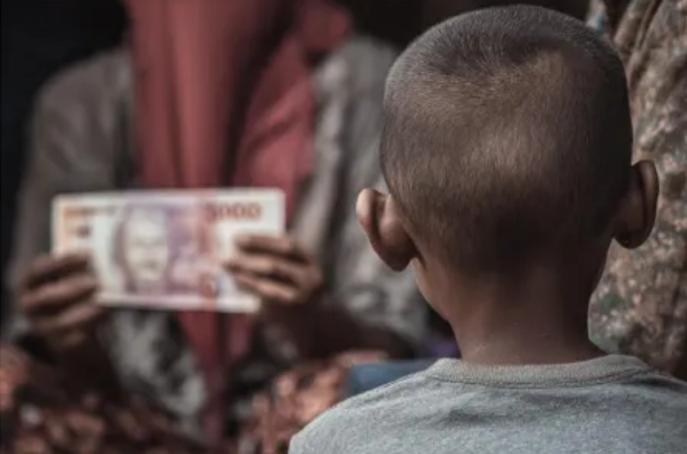
Cases involving mothers generally fall into two broad categories. The first involves mothers who directly sexually abuse their children. The second, and perhaps more commonly encountered, involves mothers who facilitate or profit from the sexual exploitation of their children by allowing or arranging abuse by others. This may include exchanging a child for money, drugs, accommodation, food, protection, or maintaining relationships with abusive partners. Such exploitation frequently occurs within contexts of severe poverty, substance dependency, domestic violence, organised criminal exploitation, or coercive relationships.
Recognising these contributing factors is important, but they should never be confused with justification. Poverty does not cause child sexual abuse. Millions of parents experience extreme hardship without exploiting their children. Likewise, women who have experienced trauma, intimate partner violence, or childhood abuse deserve support and intervention, but these experiences do not excuse decisions that place children at risk. The rights and safety of the child must always remain paramount.
One of the greatest obstacles to addressing maternal offending is societal denial. Professionals themselves may hesitate to investigate mothers with the same level of scrutiny afforded to male perpetrators. Children may fear that no one will believe them, particularly when disclosing abuse by a mother who is viewed by others as caring or respectable. In some instances, siblings who witness abuse may remain silent out of fear of family separation, loyalty conflicts, or threats from the perpetrator. Consequently, official statistics are unlikely to reflect the true extent of maternal offending.
Children subjected to abuse by their mothers often display complex trauma responses. These may include severe attachment difficulties, depression, anxiety, self-harm, suicidal ideation, substance misuse, behavioural difficulties, school failure, sexualised behaviours, and profound difficulties forming healthy adult relationships. Because the abuse violates the child’s primary attachment relationship, recovery is often lengthy and requires specialised trauma-informed interventions.
The increasing use of technology has also altered the landscape of child sexual exploitation. Online platforms have expanded opportunities for offenders to exploit children through the production and distribution of child sexual abuse material, online grooming, live-streaming abuse, and commercial sexual exploitation. While there is limited evidence that maternal involvement in technology-facilitated abuse is widespread, practitioners must remain alert to the possibility that caregivers, including mothers, may facilitate online exploitation either knowingly or through severe neglect and failure to protect.
Responding effectively requires child protection systems that are prepared to investigate all allegations objectively, irrespective of the gender of the alleged offender. Professionals must guard against unconscious bias that assumes women cannot commit sexual offences. Every disclosure by a child deserves careful, evidence-based assessment centred on the child’s voice and lived experience.
A multidisciplinary response remains essential. Social workers, psychologists, medical practitioners, teachers, law enforcement, prosecutors and child protection organisations each contribute unique expertise in ensuring children’s safety while holding perpetrators accountable. Equally important is providing specialised therapeutic intervention that addresses the child’s trauma, restores emotional safety, and promotes long-term recovery.
Prevention must remain a priority. Communities need greater awareness that child sexual abuse can occur in any family, regardless of socioeconomic status, culture or gender. Parents and caregivers should receive education on healthy attachment, child development, positive parenting, and recognising signs of exploitation. Children themselves must be equipped with age-appropriate knowledge about body safety, consent, trusted adults, and how to seek help. Empowering children with information does not burden them with responsibility; rather, it provides an additional layer of protection.
Professionals should also advocate for improved research into female sexual offending and maternal facilitation of abuse. Existing literature remains limited compared with research on male perpetrators. Better data would strengthen prevention strategies, improve risk assessment, and inform evidence-based interventions tailored to these complex cases.
Ultimately, child protection requires us to confront uncomfortable truths. While mothers are overwhelmingly the greatest source of love, protection and resilience in children’s lives, child protection practice cannot allow societal expectations to obscure the reality that a very small minority become perpetrators of profound harm. Ignoring these cases does not protect families; it leaves vulnerable children invisible.
Every child has the right to safety, dignity and protection from sexual exploitation, regardless of who the perpetrator may be. Our responsibility as practitioners is to respond without prejudice, investigate without assumption, support children with compassion, and ensure that every decision places the child’s best interests above all else. Only by acknowledging the full spectrum of child sexual abuse can we build child protection systems that truly safeguard every child.